The Natural Balance of All Non-living Resources
In the constant ebb and flow of natural systems, Earth maintains its overall harmony through the interplay of opposing yet complementary forces.
All Non-living Resources achieve dynamic balance through geological cycles, energy circulation, and material transformation.
The alternating dominance between Left energy (storage, condensation) and Right energy (release, diffusion) forms the fundamental pattern governing Earth’s systems.
Mineral Resources
Mineral vein formation requires hundreds of millions of years of geological pressure (Left condensation), while volcanic activity and crustal movements release this stored energy (Right release).
In their natural state, minerals exist in stable forms with Left energy predominating over Right, though they continuously interact with external energies through natural fields such as geomagnetism and radiation.
Energy Resources
Fossil fuels depend on geological containment to maintain their Left energy potential, while volcanic eruptions and natural gas seepage spontaneously release Right energy.
In nature, the accumulation of Left energy significantly exceeds its release, requiring external triggers (such as lightning striking coal seams) to initiate the Left-to-Right transformation.
Water Resources
The water cycle achieves dynamic balance through evaporation (Left transforming to Right), rainfall (Right transforming to Left), and freezing (Left intensification).
In its natural state, the ocean regulates global water vapor, ensuring smooth transitions between Left and Right energies without stagnation.
Land Resources
Weathering erosion (Right wearing away Left) and sedimentary land-building (Left accumulating Right) create the continuous cycle of landscape transformation.
Earthquakes represent dramatic Left-Right rebalancing (releasing stored crustal energy), while natural vegetation harmonizes soil energy, preventing extremes of Right (desertification) or Left (swamp congestion).
Atmospheric Resources
Lightning (Right polarizing Left) generates ozone, while photosynthesis captures carbon and releases oxygen, maintaining proper gas ratios.
Monsoons and ocean currents work together to regulate air pressure, keeping atmospheric energy in constant circulation.
Marine Non-living Resources
Tidal forces (moon representing Left, sun representing Right) drive the rise and fall of seawater.
Hydrothermal vents and cold seeps create continuous material cycles, while submarine volcanoes and tectonic plate movements regulate salinity and temperature gradients.
Geological & Industrial Materials
Mineral weathering (Left dissolving into Right dispersion) and magma crystallization (Right condensing into Left aggregation) represent two sides of the same process.
Natural radiation fields, such as Earth’s magnetic field, resonate with minerals to maintain stability in the Earth’s crustal energy systems.
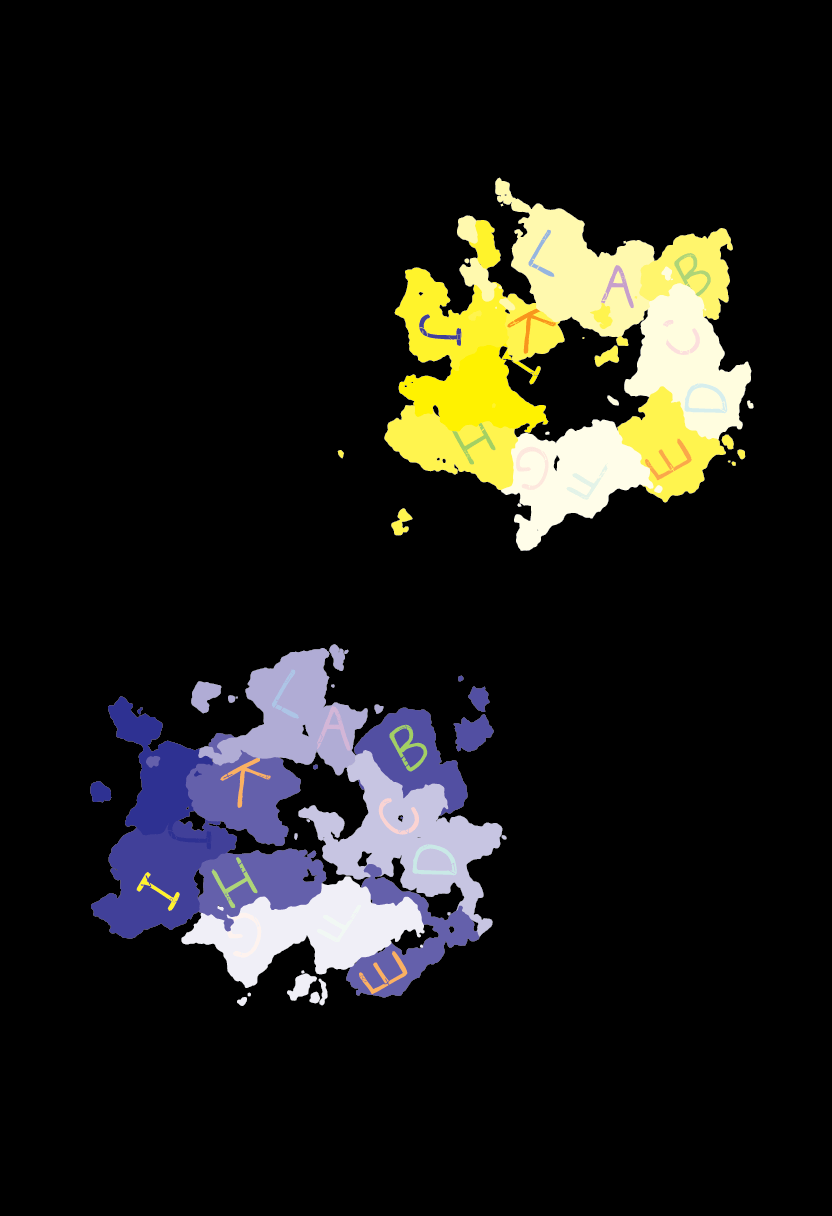
Ziz Anivors
Ziz Anivors consists of Λ Ziz Lucivors and Θ Ziz Murivors
- Right Side: Λ Ziz Lucivors
- Left Side: Θ Ziz Murivors
 Ziz System
Leave a comment